Apr
Blogs, Metal Fabrication
How Much Does Custom Metal Fabrication Cost in Sydney (2026)? | Pricing Guide
Selecting the right metal fabrication partner in Sydney involves more than just comparing quotes. It requires understanding the factors that drive costs and how to budget for your project effectively. Many projects run into financial trouble not because of high prices but due to poor planning and a lack of cost transparency. Making an informed choice can save you both time and money in the long run. In 2026, several key factors influence fabrication pricing. These include labor demand, material choice, project complexity, and compliance requirements. As the industry faces more regulations and technical demands, costs reflect not only labor but also expertise and accuracy.
Benchmarks for Custom Metal Fabrication Sydney (2026)
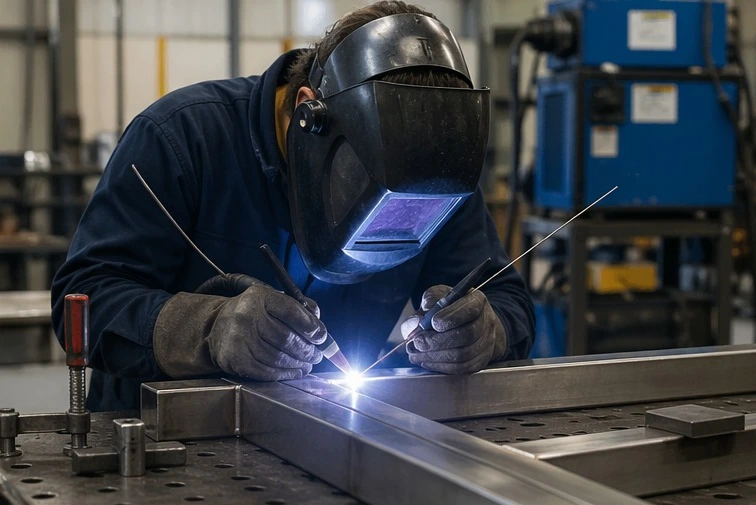
This guide outlines the real-world costs of fabrication in Sydney and what you can expect. Sydney Metal Fabrication Cost Benchmarks (2026) Custom metal fabrication in Sydney usually ranges from $85 to $185 per hour, depending on how complex the work is and the materials used. Projects that require higher precision, specialized welding, or strict compliance typically fall at the higher end of this range. These rates reflect current market conditions, such as labor shortages and rising material costs. General fabrication and assembly work generally ranges from $85 to $115 per hour and is suitable for basic mild steel projects. This category includes standard welding, cutting, and simple structural fabrication often used in industrial and commercial settings. These tasks usually need less specialized skills and equipment. For more advanced projects, technical and certified fabrication costs range from $120 to $185 per hour.
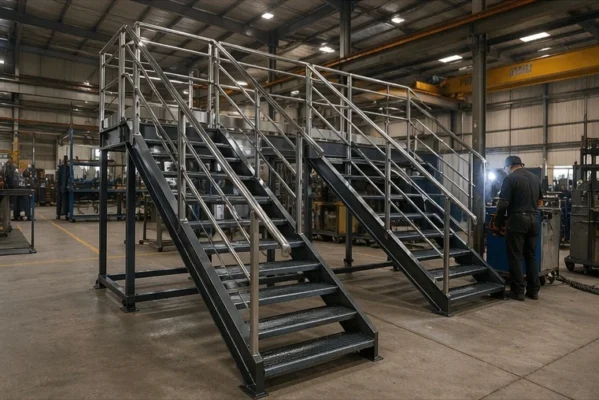
This includes high-precision TIG welding, stainless steel fabrication, especially 316-grade and projects that must strictly follow Australian Standards. These jobs require skilled workers, advanced machinery, and quality assurance processes. Typical Project-Based Pricing In many industrial applications, fixed or project-based pricing gives more cost predictability than hourly rates. This model works well for repeat components or standardized fabrication. Instead of variable labor hours, clients can estimate budgets more accurately based on specific outputs. For instance, fabricated steel components or protective systems are often priced based on size, thickness, and finishing needs.
While exact costs may vary, the concept holds true simpler designs are cheaper while complex, engineered components raise the overall price. This strategy helps project managers keep budgets in check. Key Cost Drivers in Metal Fabrication One major factor affecting cost is material selection. Mild steel is the least expensive option and is commonly used in general fabrication. Stainless steel, especially 304-grade, adds moderate expense, while 316-grade stainless steel costs roughly 10 to 15% more due to its superior corrosion resistance and durability. Design and CAD engineering also play a significant role.
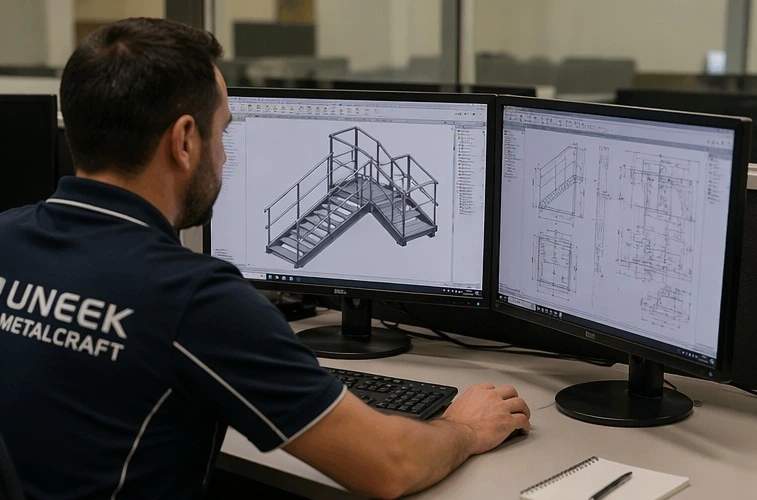
Projects that require detailed 3D modeling or custom engineering involve higher initial costs. Nevertheless, these services ensure precision and minimize installation errors, leading to savings on rework and delays. The complexity of fabrication is another key pricing factor. Advanced processes like CNC bending, rolling, precision cutting, and complex welding require specialized equipment and skilled workers. As complexity grows, so does the time and expertise needed, which directly affects the final cost. Project timelines can also greatly influence pricing. Standard fabrication lead times usually span 10 to 14 days. However, urgent projects needing completion in under 5 days may face additional charges due to resource prioritization and overtime. Compliance and certification are also major cost drivers. Projects that need to meet Australian Standards often require material traceability, certified welding processes, and quality checks. While these necessities add to initial costs, they greatly reduce long-term risks and ensure safety and reliability.
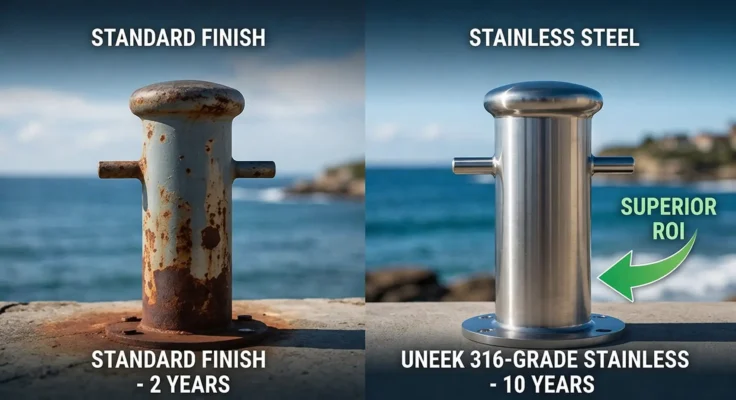
Lifecycle Value vs. Initial Investment
Lifecycle Value vs Initial Cost A common mistake in fabrication projects is opting for the lowest initial quote without considering long-term value. Cheaper options may look appealing at first but often lead to higher maintenance costs and shorter lifespans. This can result in more frequent replacements and unexpected expenses. For example, a project that uses lower-grade materials might save money at the start but could fail under environmental or operational stress. On the other hand, investing in higher-quality materials and certified fabrication guarantees better performance and durability. Over time, this leads to lower overall costs and a higher return on investment.
Key Insight: The most cost-effective solution balances initial pricing with long-term durability, compliance, and performance.
Frequently Asked Questions:
What is the average cost of metal fabrication in Sydney?
Typically, it ranges from $85 to $185 per hour, depending on the complexity and materials, based on the latest industry data from Sydney.
What drives fabrication costs the most?
Key factors include material choice, project complexity, and compliance with AS/NZS standards for structural steel.
Is stainless steel more expensive than mild steel?
Yes, especially 316-grade. While the initial cost is higher, the corrosion resistance of 316-grade stainless steel offers much better long-term value in NSW environments.
Get a Custom Fabrication Quote
Get a Custom Fabrication Quote Every fabrication project is unique, and costs can vary significantly based on your specific needs. The most accurate way to determine pricing is through a customized assessment that takes into account materials, design, and project scope. This ensures you get a solution that meets both your budget and performance requirements. Contact our team today to receive a detailed quote and expert guidance on your project.
Contact Uneek Metalcraft today to get a detailed quote and expert guidance on your project.
